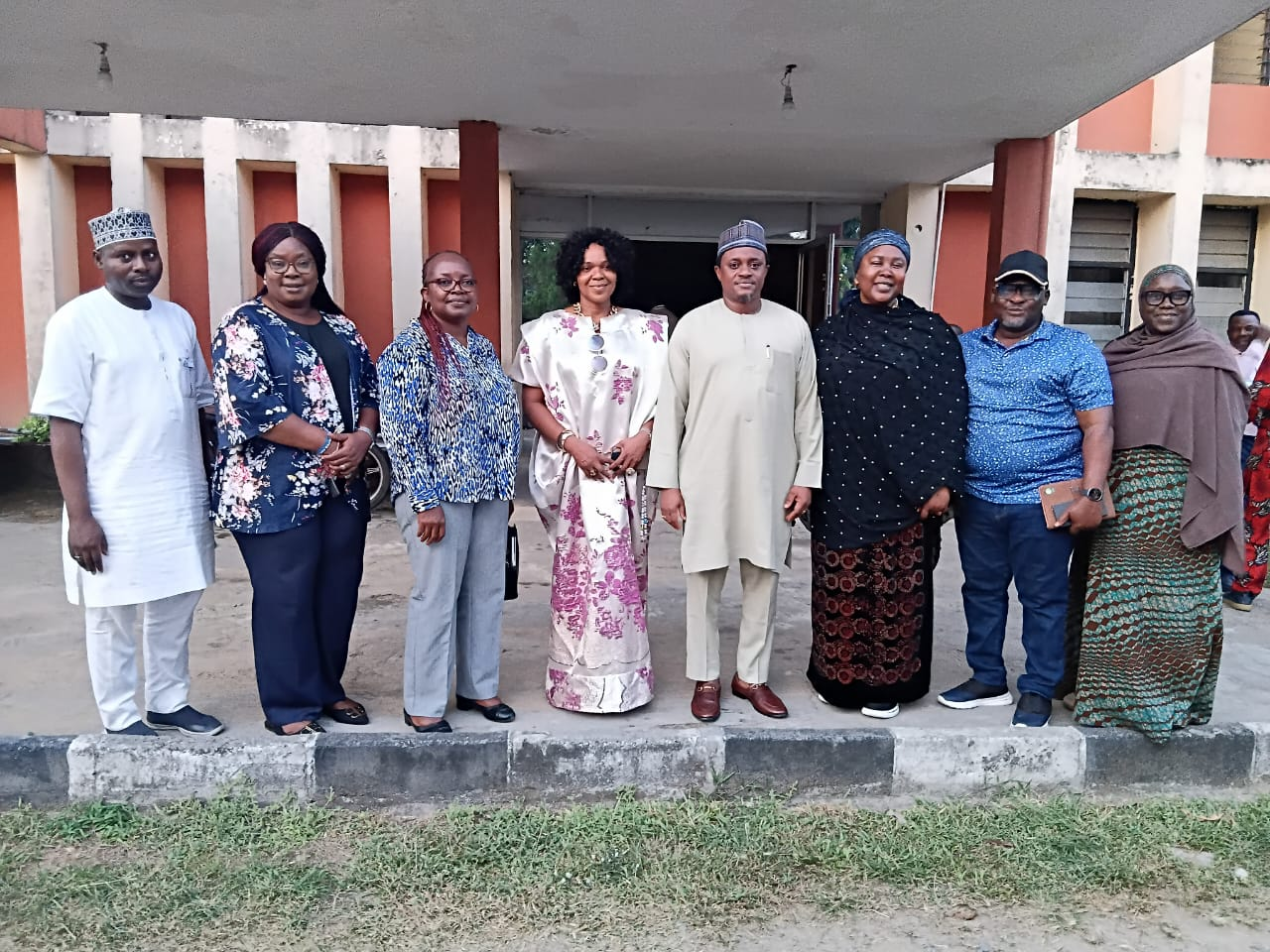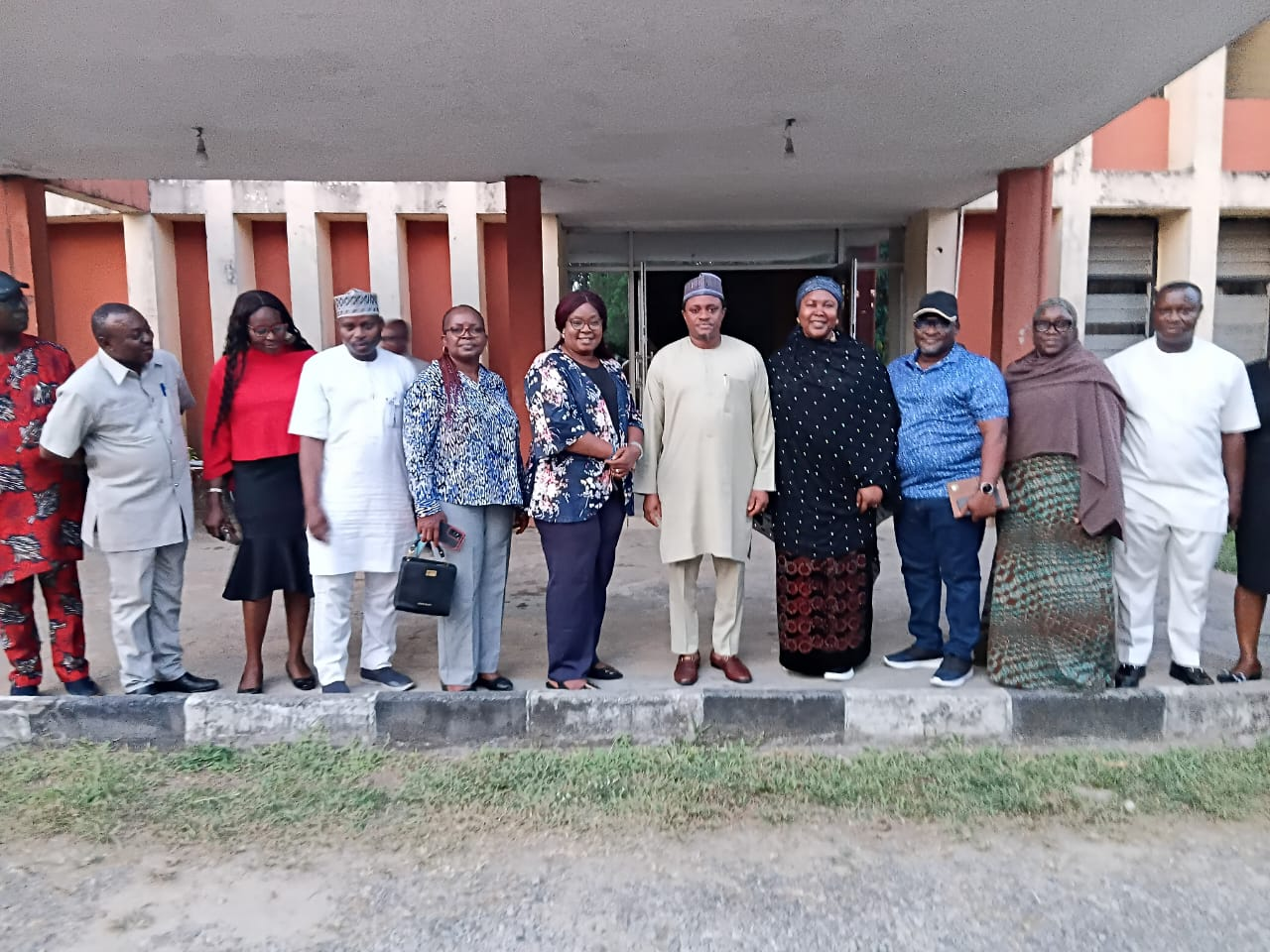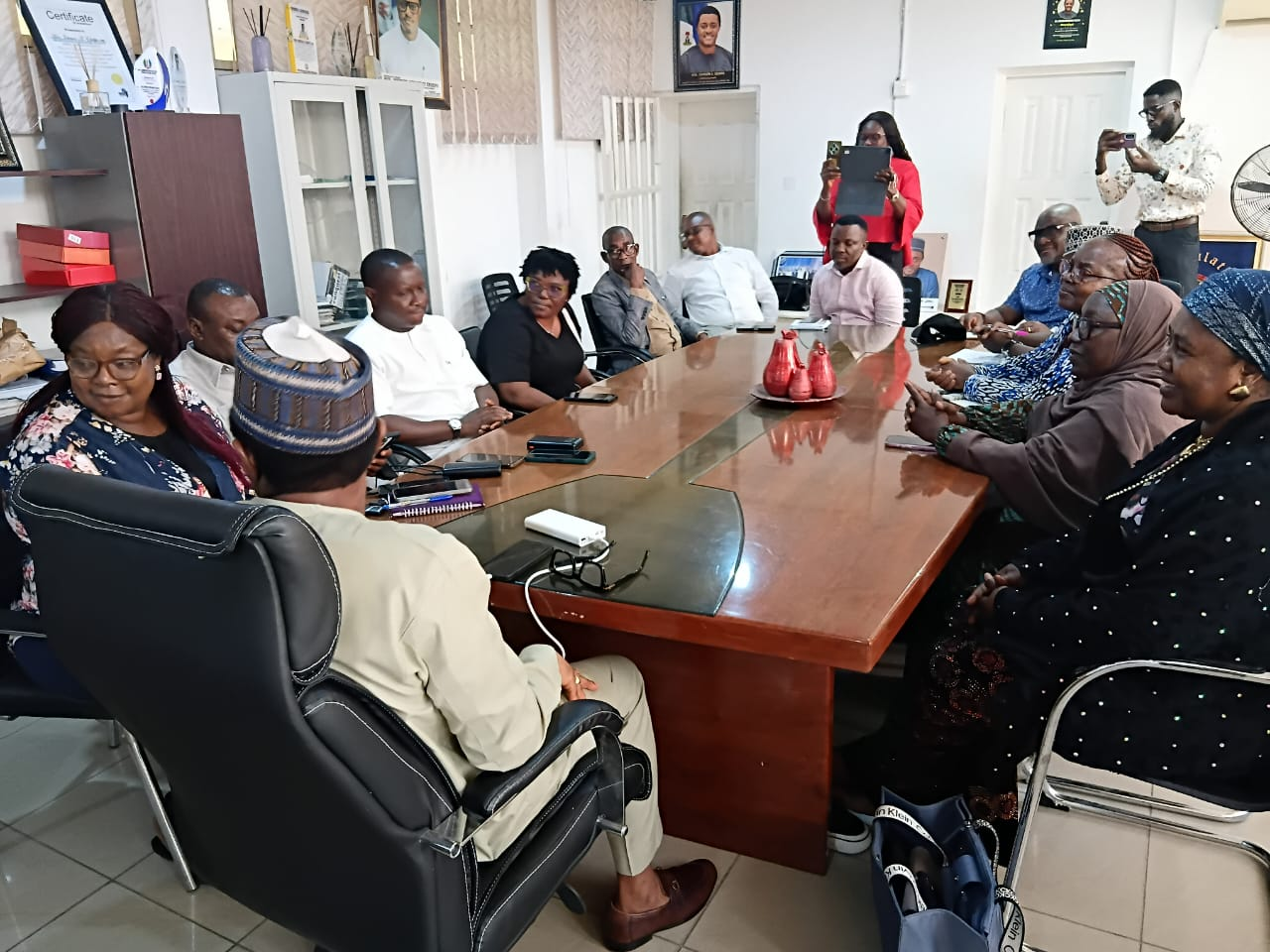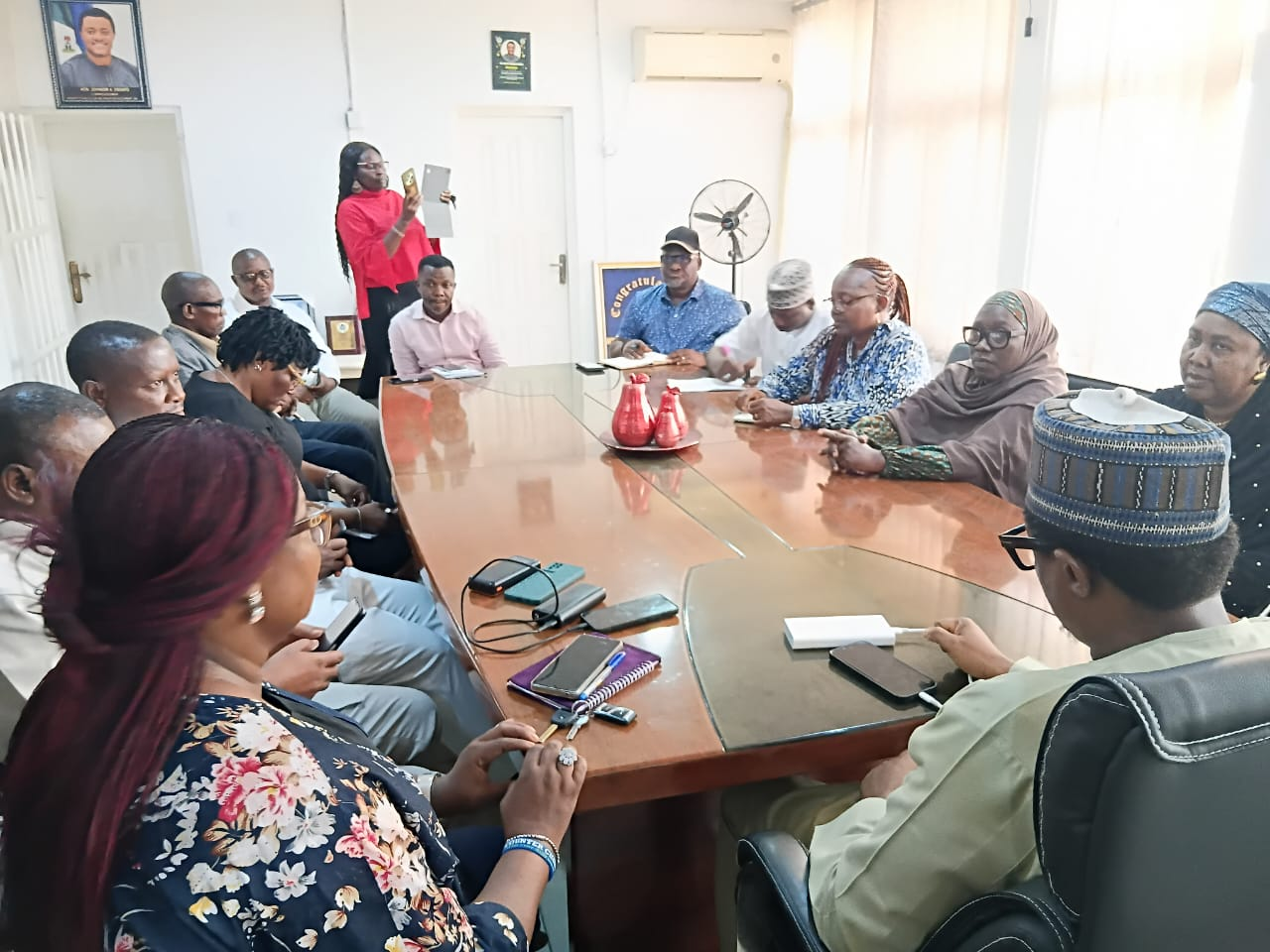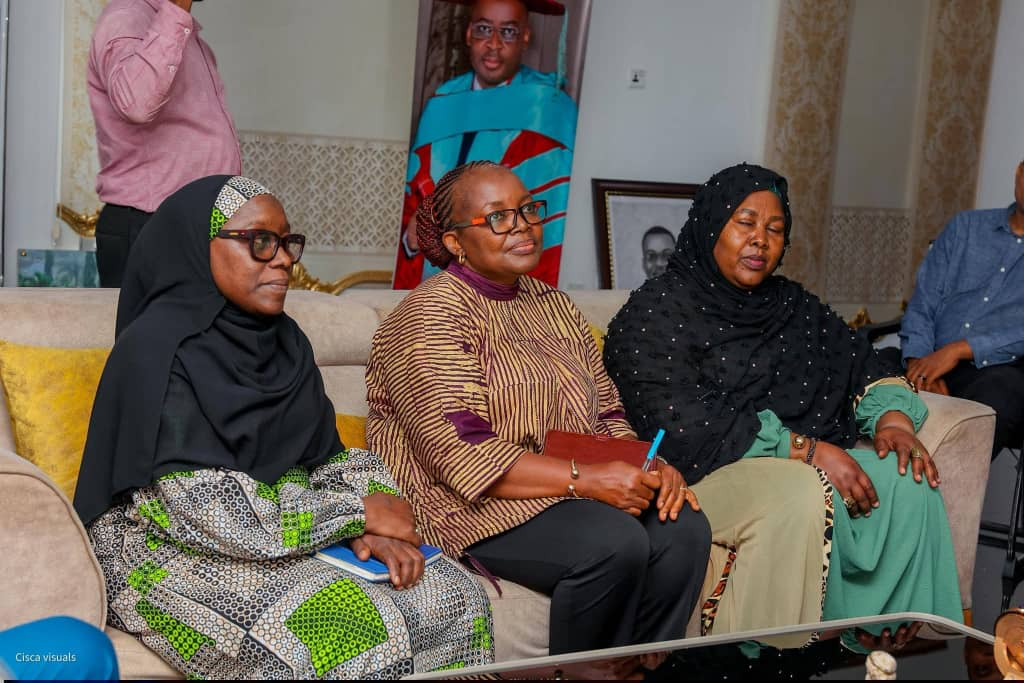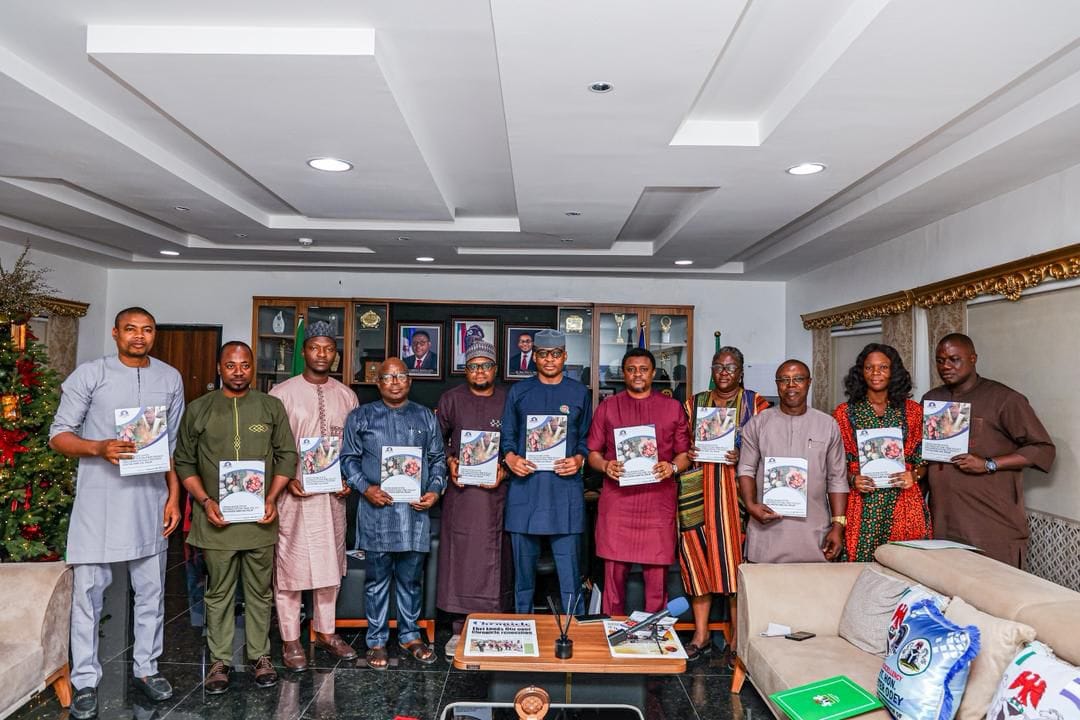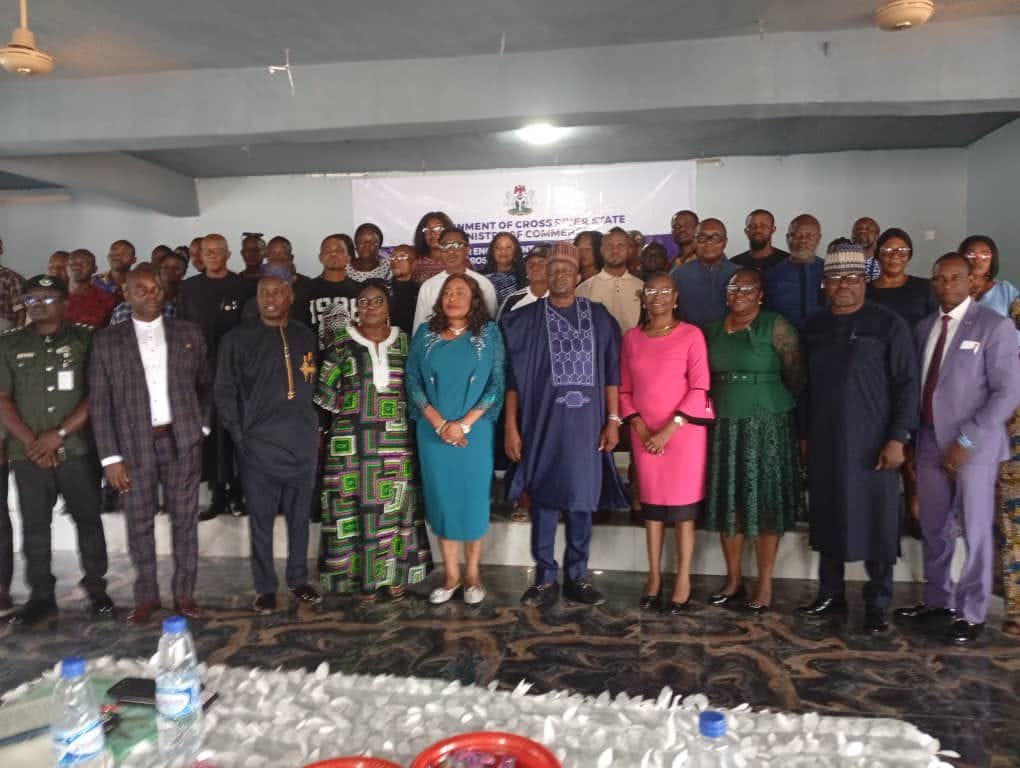
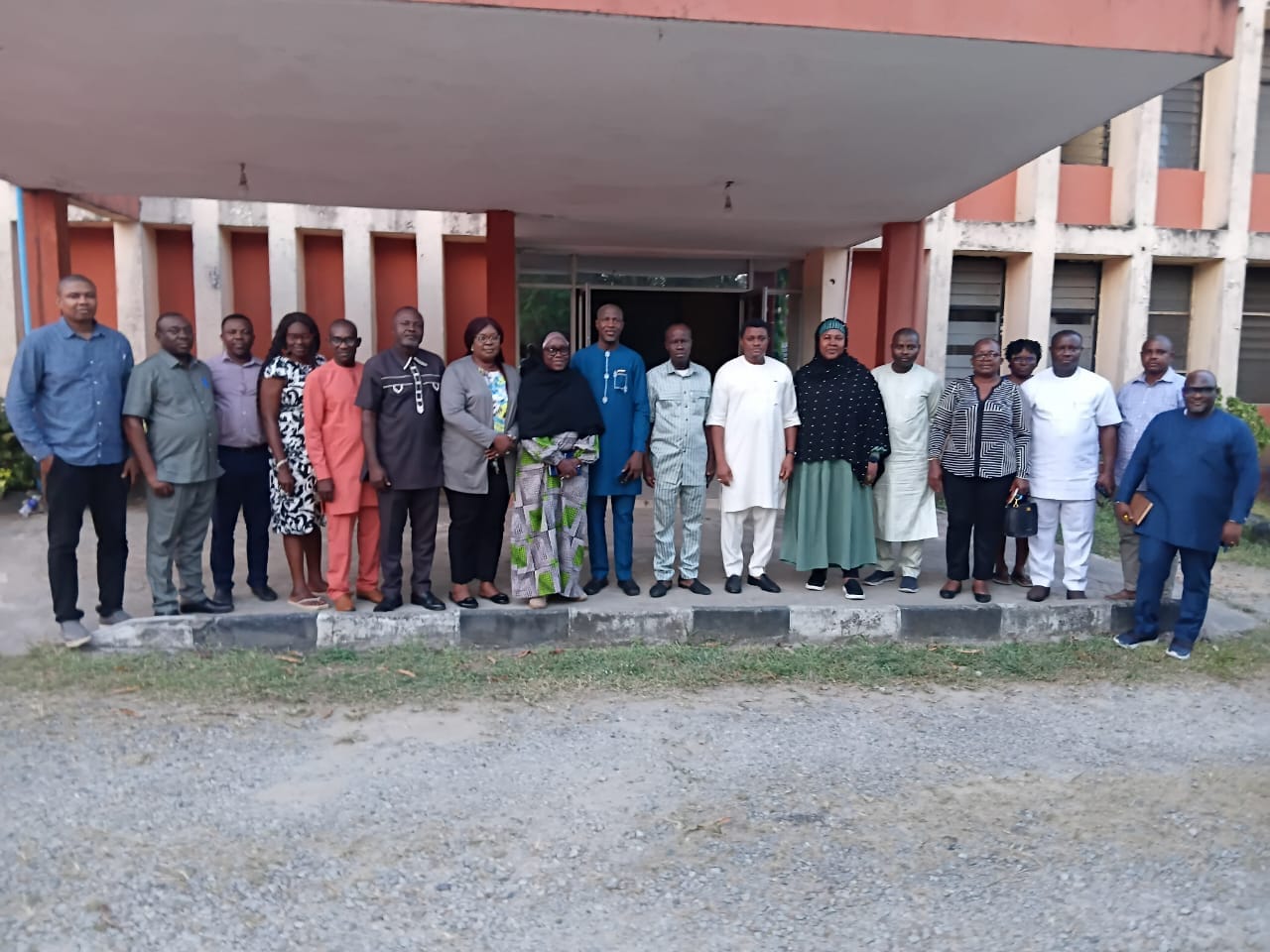
A delegation from the Federal Project Management Unit (FPMU) of the Sustainable Power and Irrigation for Nigeria (SPIN) Project has visited Cross River State to verify the state’s technical readiness ahead of full implementation.
The SPIN Project is a Federal Government - World Bank–supported initiative aimed at enhancing food security through sustainable irrigation infrastructure, improved water resources management, and the promotion of year-round agricultural production.
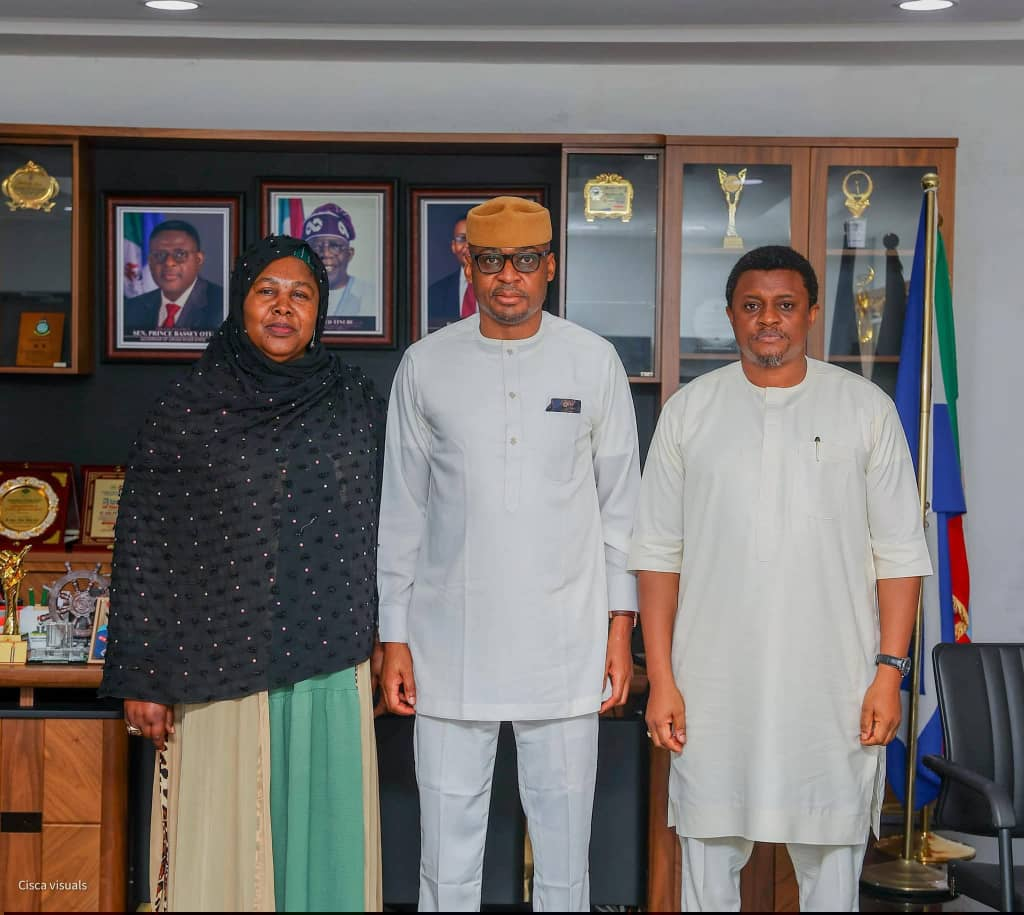
The delegation, led by the Head of the Technical Unit on Irrigation and Drainage, Engr. Hauwa Sadique, was received at the Ministry of Agriculture and Irrigation Development by the Honourable Commissioner, Hon. Johnson Andiambey Ebokpo, alongside members of the State Project Implementing Unit.
Welcoming the team, Commissioner Ebokpo reaffirmed Cross River State’s strong commitment to the successful implementation of the SPIN Project. He commended President Bola Ahmed Tinubu for his renewed drive toward national food security and appreciated Governor Senator Prince Bassey Edet Otu for aligning the state with the Federal Government’s agricultural transformation agenda.
He noted that the state’s high level of preparedness clearly demonstrates its readiness for project implementation.
According to the Commissioner, Governor Otu deliberately integrated irrigation as a core component of the Ministry in response to the state’s ecological realities and the increasing impact of climate variability. He explained that this strategic policy direction led to the expansion of the Department of Agricultural Mechanisation to incorporate irrigation and drainage control, thereby strengthening climate-smart agriculture and boosting year-round food production.
He further disclosed that the state had already conducted statewide engineering studies and designs for irrigation and flood control infrastructure even before the advent of the SPIN Project.
Highlighting the recurring flooding experienced by farming communities during the rainy season and the severe drought conditions during the dry season particularly in major staple production belts such as the rice belt, Ebokpo described the SPIN Project as both timely and strategic. He emphasized that the project would not only mitigate flood-related losses but also enhance food security and contribute to national stability through increased all-season crop production.
Earlier in her remarks, the Team Lead, Engr. Hauwa Sadique, conveyed the goodwill of the Honourable Minister of Water Resources and Sanitation and the National Project Coordinator, Engr. Ipinlaye Olaiya. She stated that the purpose of the visit was to interface with the state team and relevant Ministries, Departments, and Agencies (MDAs), as well as to validate Cross River State’s technical readiness for project implementation.
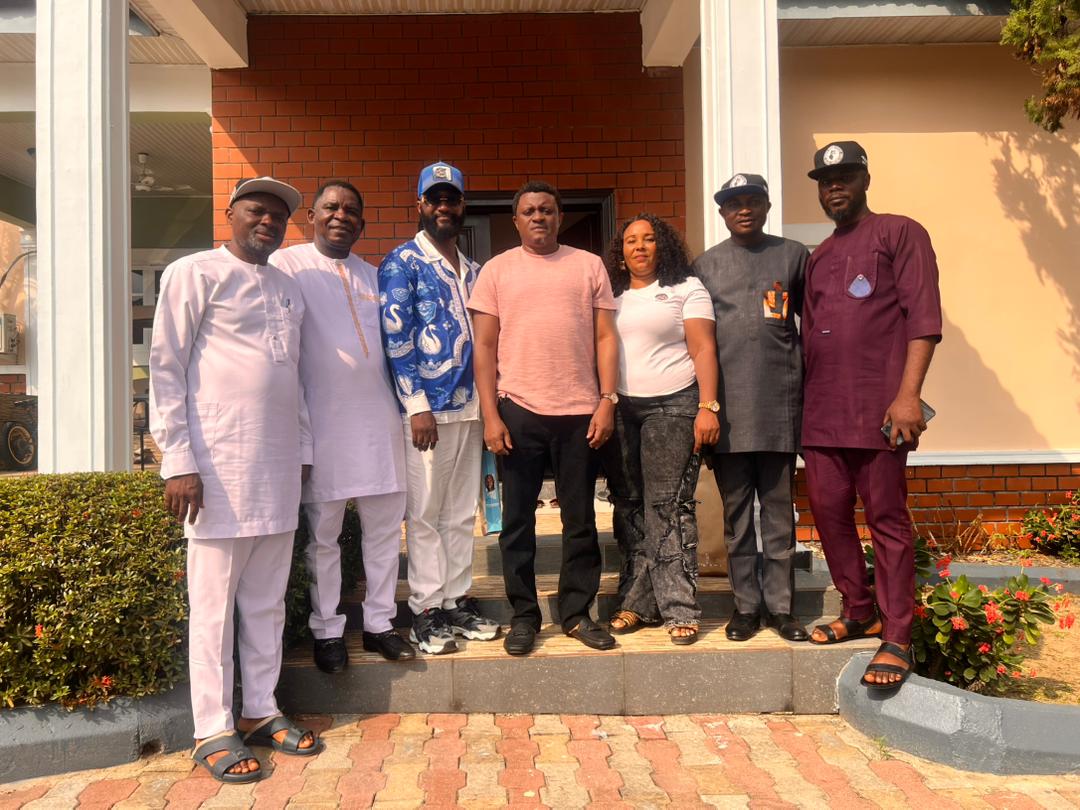
She disclosed that the delegation would visit the proposed irrigation project site at Bansara Community in Ogoja Local Government Area for assessment and community engagement and expressed appreciation for the warm reception accorded to the team.
Also speaking, the State Project Coordinator, Engr. Mrs. Justina Ulafor, provided an overview of the SPIN Project and outlined the state’s readiness efforts. She attributed the progress recorded to the visionary leadership of Governor Bassey Edet Otu and the proactive support of Commissioner Johnson Ebokpo.
In his vote of thanks, the Project Engineer, Engr. Ndifon Agbiji, commended the Governor for prioritising irrigation as a critical component of the state’s agricultural transformation agenda even before the SPIN Project. He also appreciated the Federal Government, the Honourable Minister of Water Resources and Sanitation, the World Bank, and the SPIN Project team for finding Cross River State eligible to participate after meeting all required criteria.
As part of their official engagements in the state, the Honourable Commissioner for Agriculture and Irrigation Development led the delegation on a courtesy visit to the Deputy Governor of Cross River State, His Excellency, Rt. Hon. Peter Odey.
Blessing Enagu